
.png)
.webp)
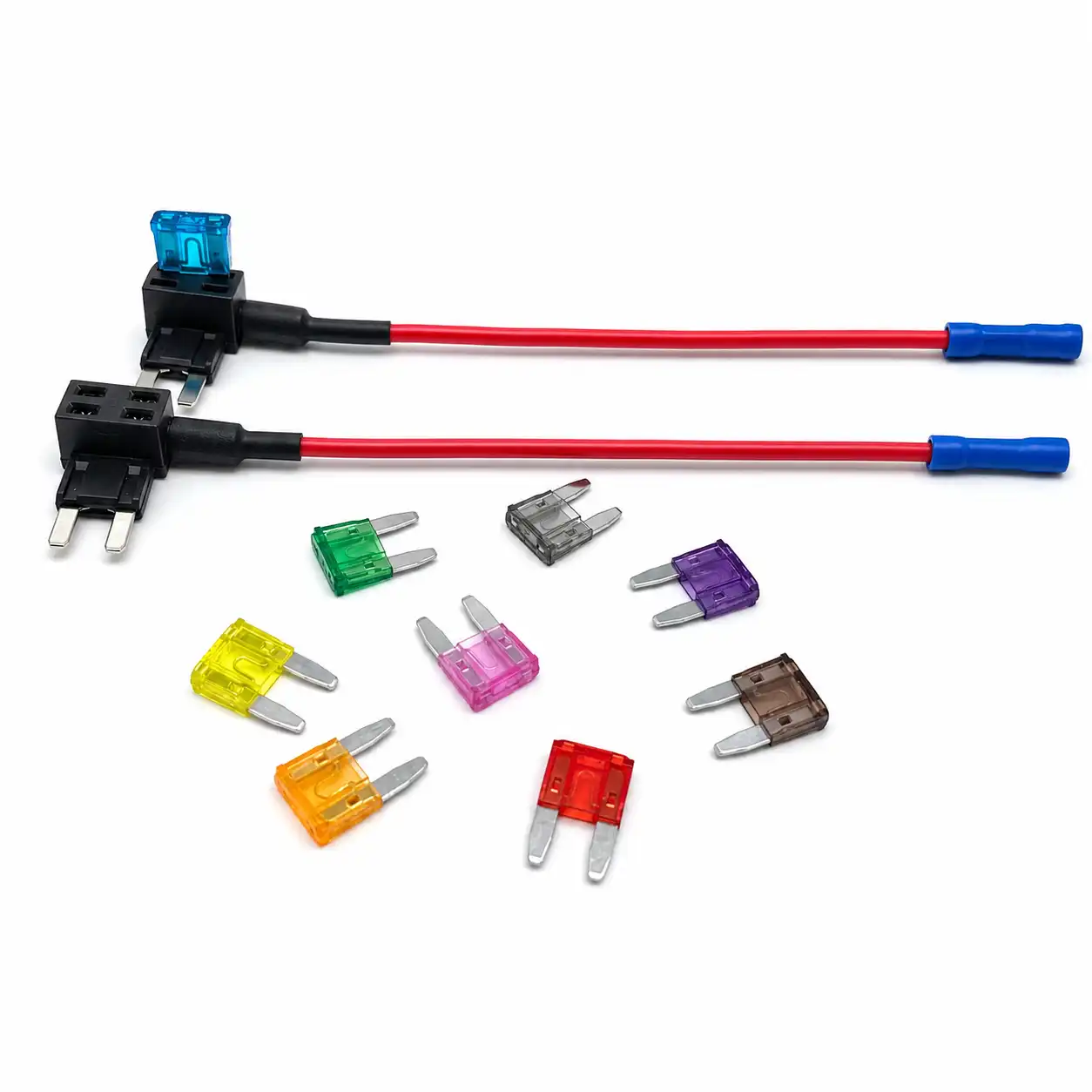
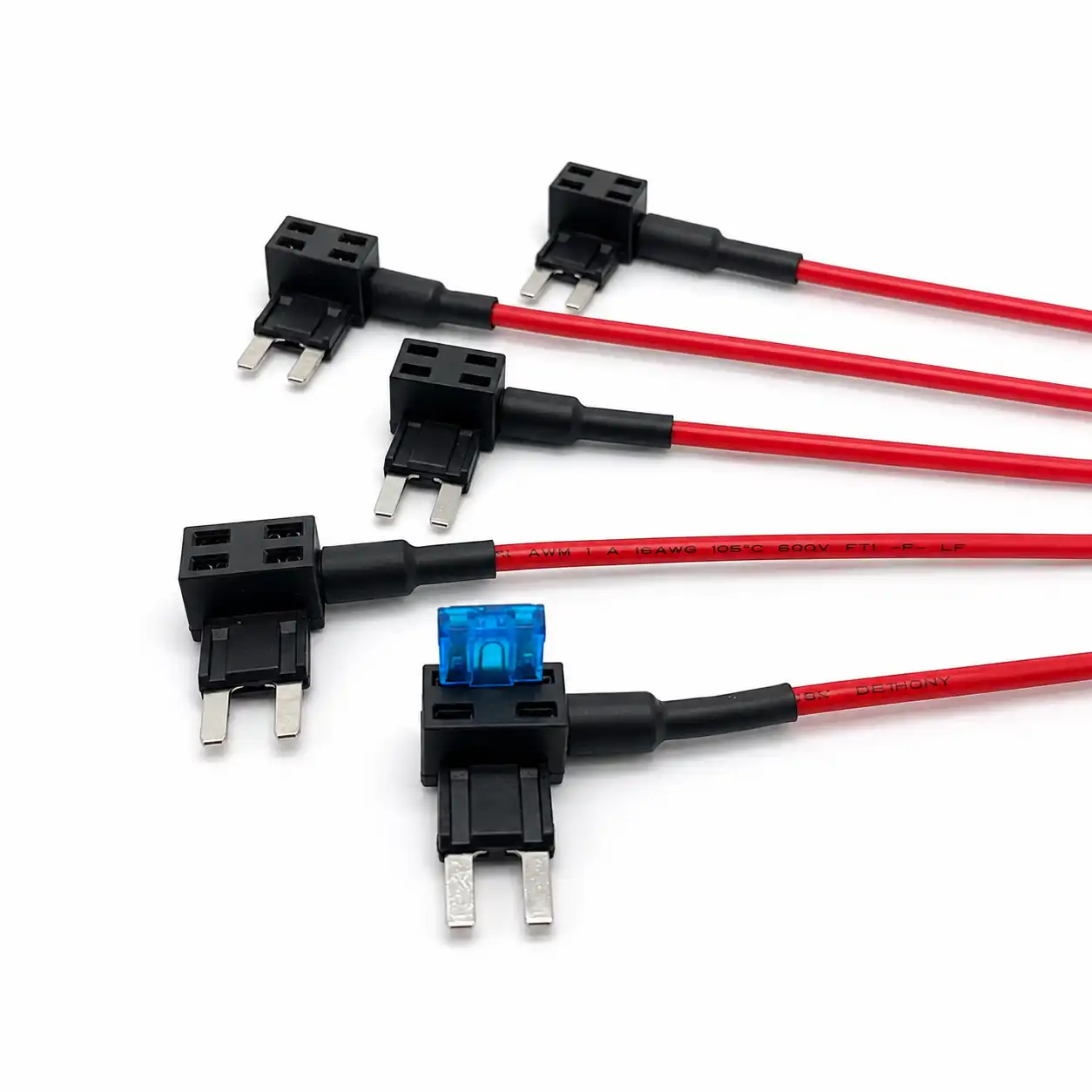
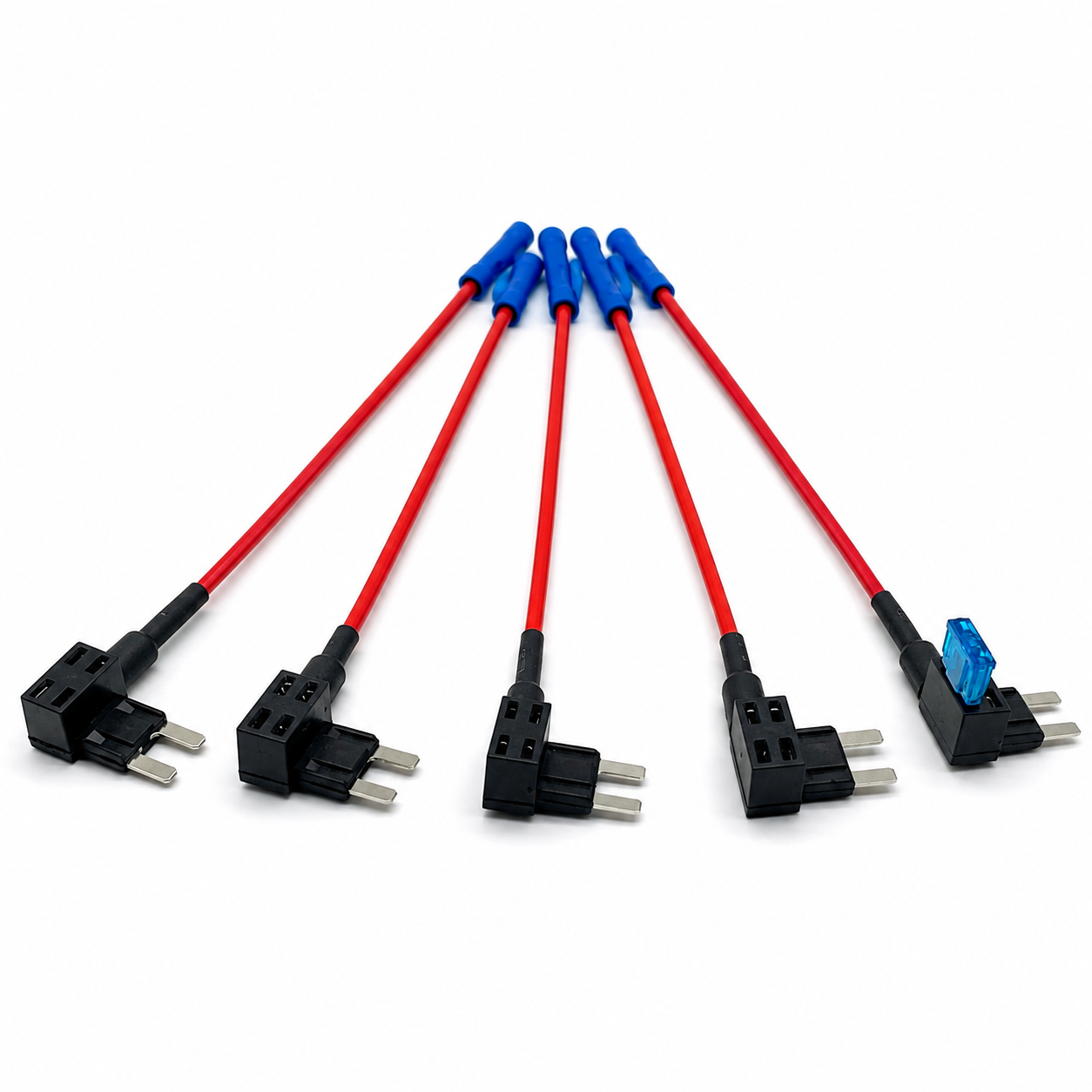
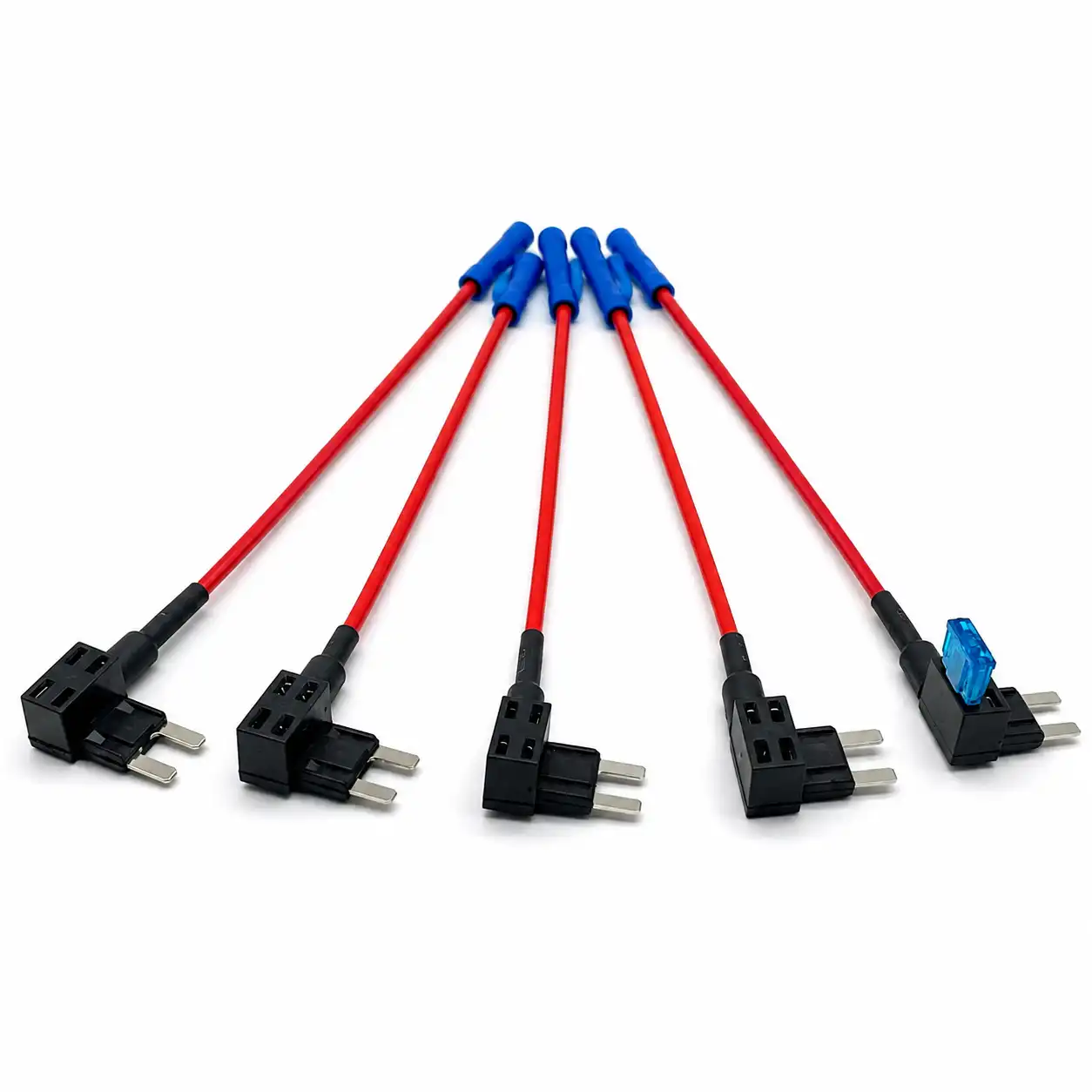
The Mini Fuse Tap is designed to add an additional accessory circuit through an existing automotive fuse panel without cutting or modifying the vehicle’s original wiring.
Designed for Mini/ATM automotive blade fuse applications, it provides a convenient way to add power connections for dash cameras, GPS and navigation devices, automotive LED equipment, and other vehicle electrical accessories.
The fuse tap features a nylon housing and zinc alloy conductive terminals. UL1015 and UL1007 electronic wires are commonly used, while wire gauge and wire length can be customized according to different wiring and installation requirements.
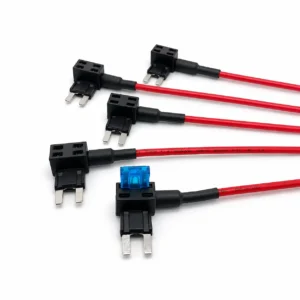
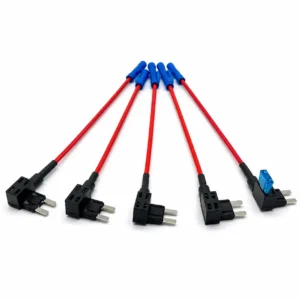
The 2A–30A Mini/ATM fuse range is consistent with Eaton Bussmann’s published ATM MINI blade fuse specifications.
| Specification | Value |
|---|---|
| Product Type | Mini Add-a-Circuit Fuse Tap |
| Model | CZY-FT02 |
| Product Code | To be assigned |
| Fuse Type | Mini / ATM Blade Fuse |
| Voltage | 32V DC |
| Fuse Rating Range | 2A–30A |
| Housing Material | Nylon |
| Conductive Terminal Material | Zinc Alloy |
| Wire Type | UL1015 / UL1007 |
| Wire Gauge | Customizable |
| Wire Length | Customizable |
| Operating Temperature | -5°C to 60°C |
| Storage Temperature | +10°C to 60°C |
| Certification | To be confirmed |
-300x154.webp)
Typical applications include:
The Mini Fuse Tap is suitable for automotive applications where an additional power connection is required through an existing Mini/ATM fuse position.
Wire gauge and wire length can be customized according to customer requirements.
Different wiring and assembly configurations can be evaluated according to the required electrical specifications, installation space, and project requirements.