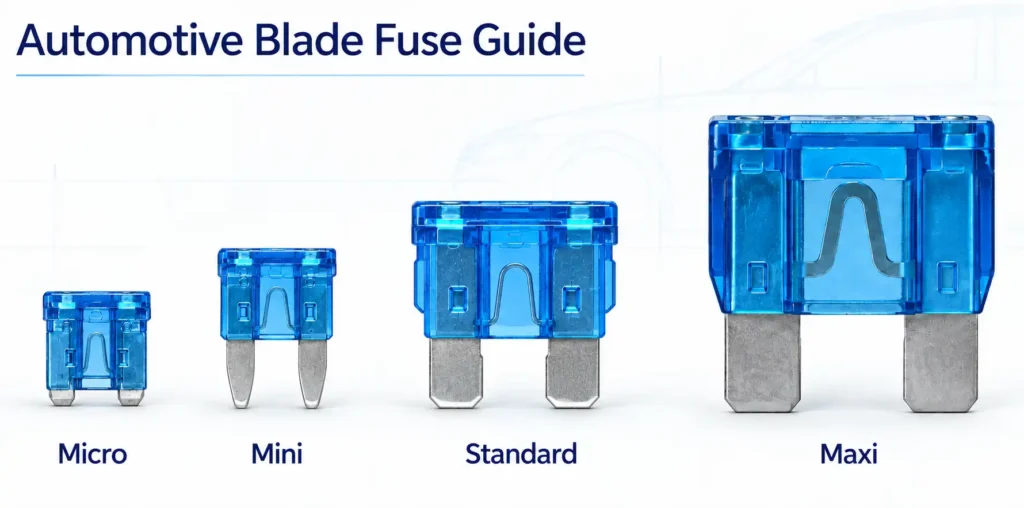
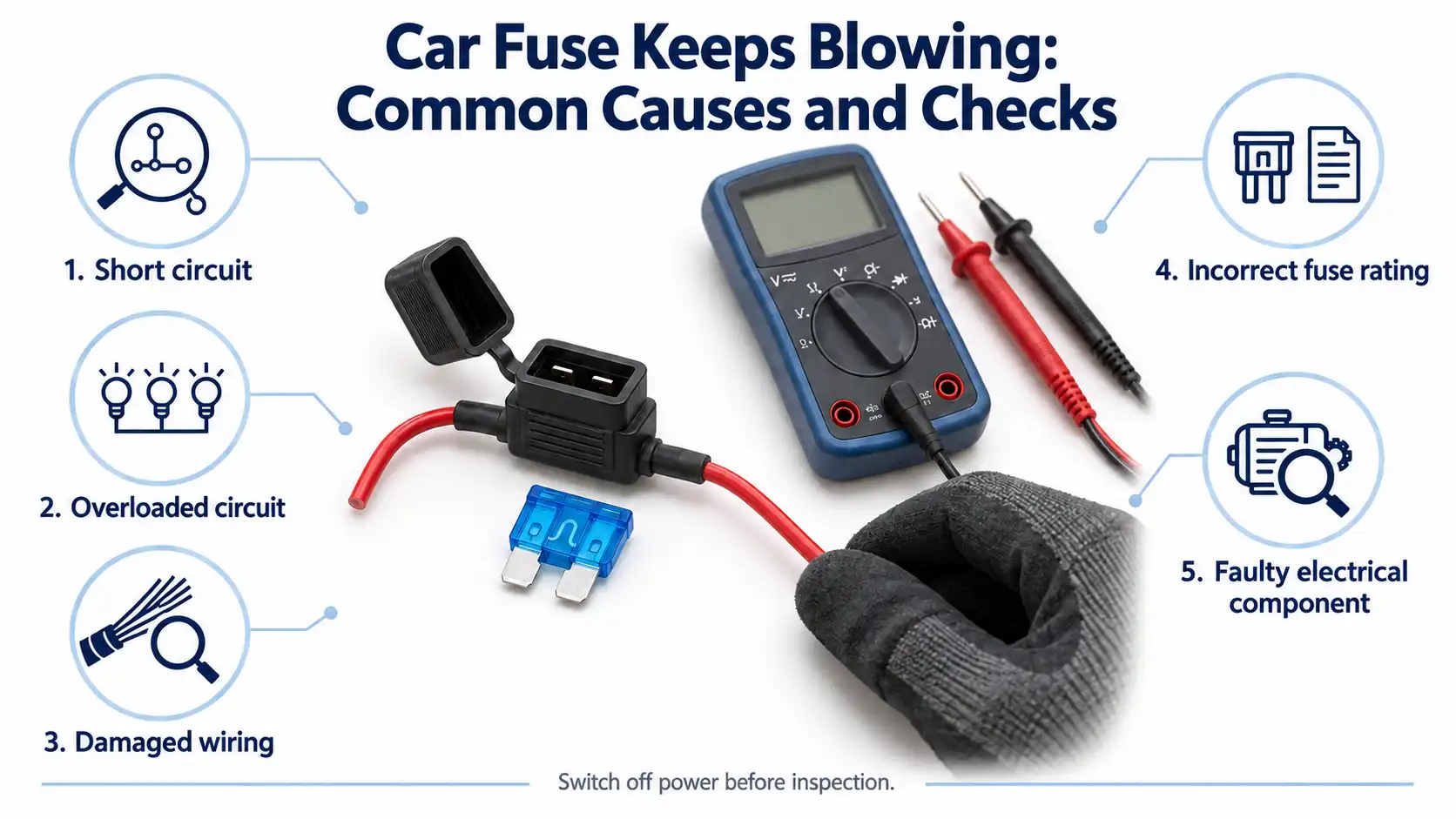
If a car fuse keeps blowing, the fuse is usually reporting a problem rather than causing one. Replacing the same fuse repeatedly may restore power for a moment, but it does not fix an overloaded circuit, damaged wire, shorted component or incorrect protection value.
Online automotive communities repeatedly show the same pattern: a fuse opens, the user installs a higher rating, and the underlying electrical problem remains. The safer approach is to diagnose the circuit before changing the specified fuse value.
Car Fuse Keeps Blowing: Quick Answer
When a car fuse keeps blowing, the cause is usually related to circuit overload, short circuits, wiring damage, or an incorrect electrical connection.
Common causes include a short to ground, excessive load, damaged wiring, a failing component, incorrect fuse rating or a fault introduced during accessory installation. A melted fuse holder can also indicate a poor or high-resistance connection even when the fuse element itself has not opened.
1. Short Circuit or Damaged Wiring
A positive conductor contacting vehicle ground can create a large fault current. Damage can occur where wiring passes through metal panels, near moving parts, around sharp edges or after aftermarket installation work.
If a fuse opens immediately after installation or as soon as a circuit is energized, a short circuit should be considered before installing another fuse.
2. Too Much Load on the Circuit
Adding accessories to an existing circuit can increase the current beyond what that circuit was designed to carry. This can happen when lighting, audio equipment, cameras or other devices are added without a dedicated protected feed.
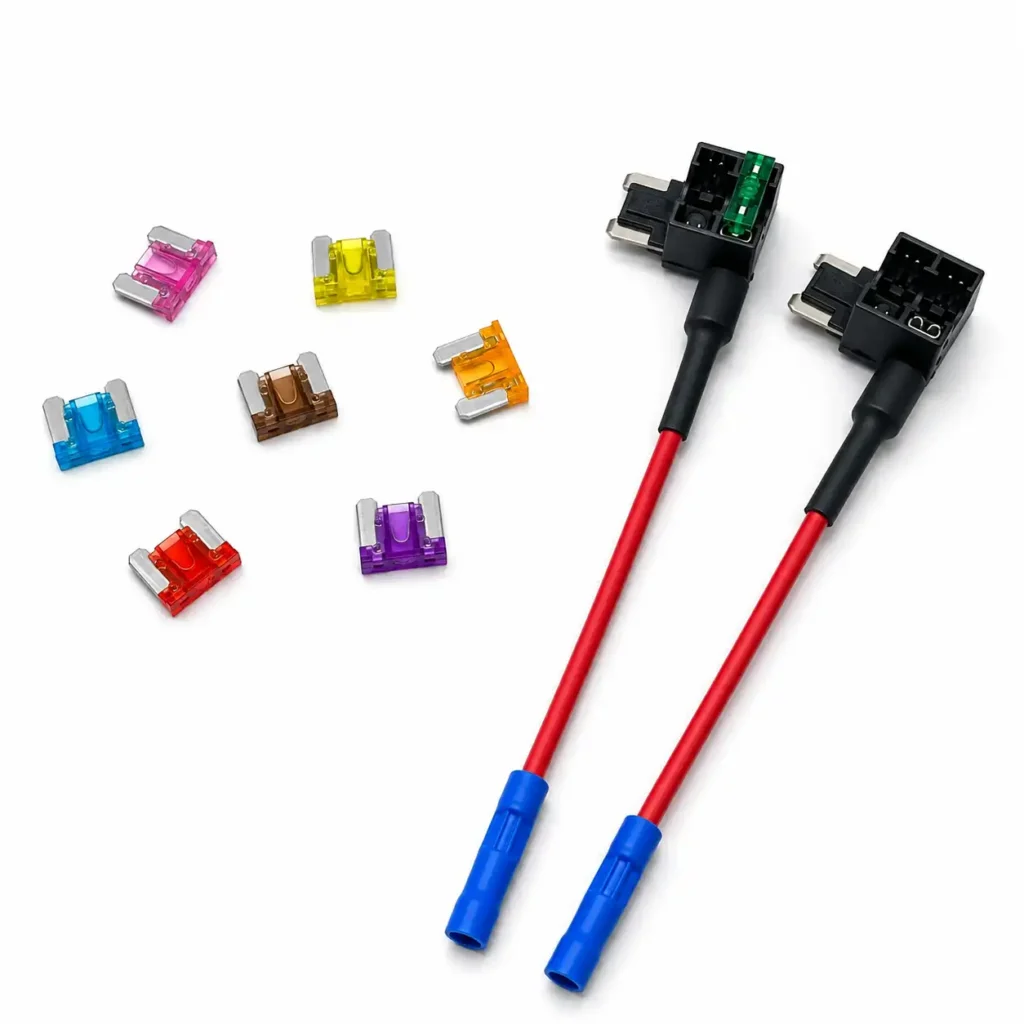
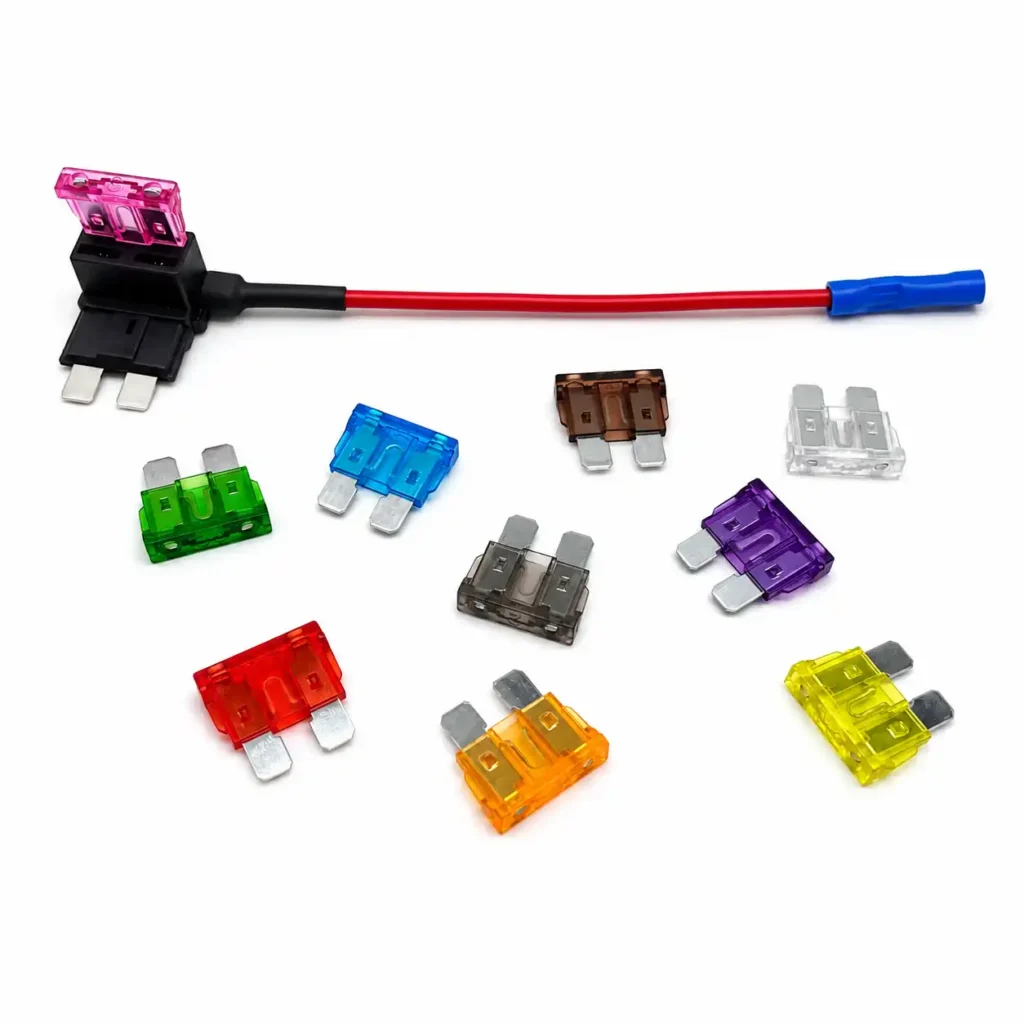
If you need to add a new accessory circuit, use the correct fuse tap format or a separate protected circuit as appropriate, and follow the equipment and vehicle requirements.
3. The Fuse Rating Is Wrong
A fuse that is lower than the intended design value may open during normal operation. A fuse that is too high can reduce the protection provided to the wiring and connected components.
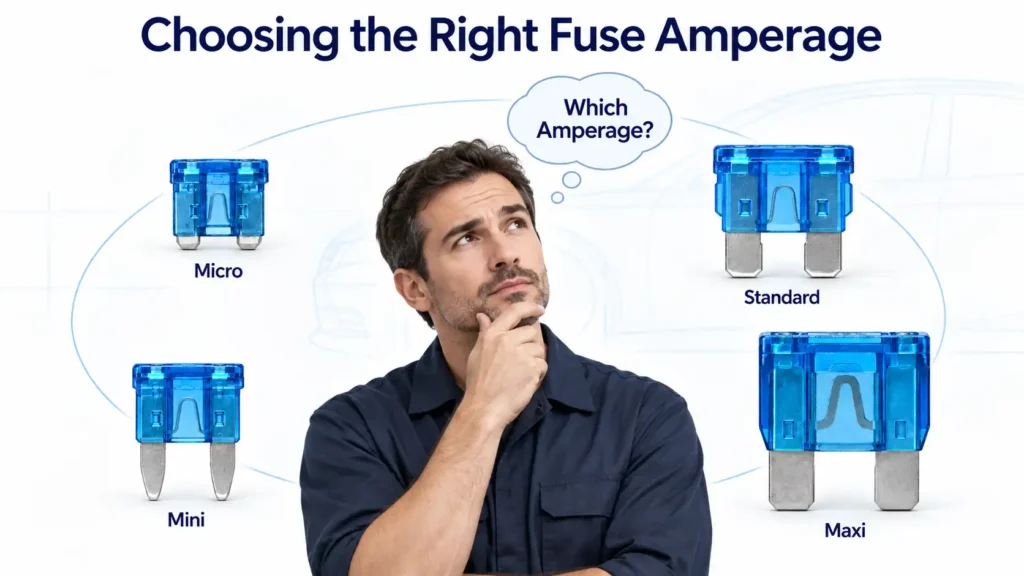
The solution is not to experiment with progressively larger ratings. Review our automotive fuse amperage guide and confirm the circuit specification first.
4. A Connected Component Has Failed
Motors, lamps, electronic modules and aftermarket equipment can develop internal faults. A component that previously operated normally can begin drawing abnormal current.
When the same fuse repeatedly opens, isolate the affected circuit according to the service procedure rather than assuming the fuse itself is defective.
5. Accessory Installation Has Introduced a Problem
Aftermarket wiring can create faults through incorrect tapping, damaged insulation, poor routing or an unsuitable fuse tap. One recurring user problem is selecting a “Mini” fuse tap for a fuse box that actually uses Micro2 or another compact format.
Always identify the fuse family first. See our Micro fuse vs Mini fuse guide for the physical-selection step.
6. The Fuse Holder or Connection Is Overheating
A holder can overheat because of poor contact, loose terminals, corrosion or other sources of resistance. This is different from a fuse opening because of overcurrent. In practice, users sometimes discover melted plastic while the fuse element still appears intact.
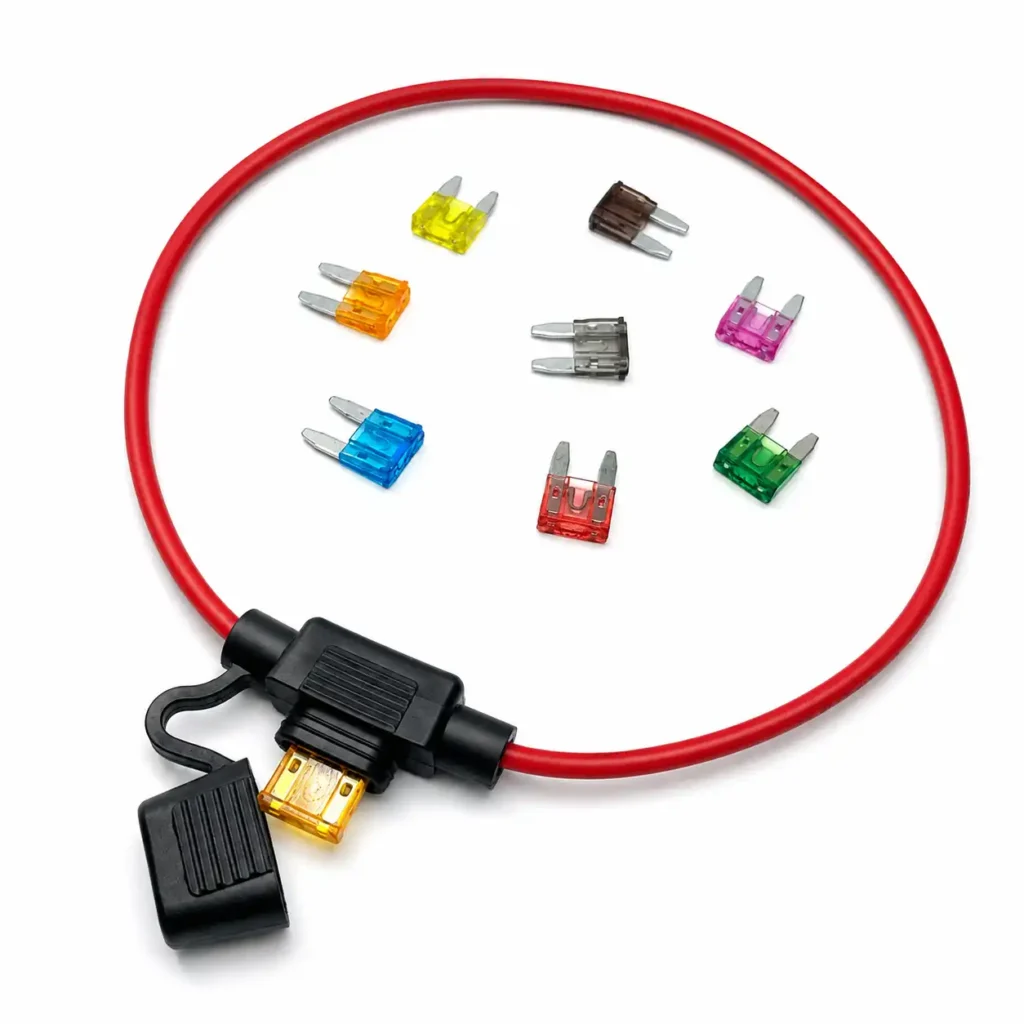
Inspect the holder and terminals for discoloration, softened plastic, looseness or damaged contact surfaces. Replace damaged components rather than reusing a heat-affected holder. Cozy Electronics offers different automotive fuse holder formats for circuit-protection assemblies.
7. The Wrong Fuse Format Is Installed
A fuse that appears to fit but does not mate correctly can create poor contact. Mechanical compatibility is part of the electrical connection.
SAE J1284 describes blade-type fuses for protecting wiring and equipment in vehicles, boats and trailers. Current road-vehicle blade-fuse requirements are also addressed by standards such as ISO 8820-3:2026 within their defined scope.
What You Should Not Do
- Do not replace a repeatedly blown fuse with a higher rating without diagnosis.
- Do not bypass the fuse with wire, foil or another conductor.
- Do not force a different fuse format into the slot.
- Do not reuse a holder that has melted or lost contact force.
- Do not rely on fuse color alone to identify the rating.
Basic Troubleshooting Sequence
| Observation | What to Check |
|---|---|
| Fuse opens immediately | Short circuit, incorrect wiring, failed component |
| Fuse opens only under heavy load | Overload, wrong rating, equipment current demand |
| Holder melts but fuse stays intact | Loose/high-resistance connection, damaged holder |
| Problem started after accessory install | Fuse tap type, wiring route, circuit choice |
| New fuse does not fit correctly | Wrong blade-fuse family |
Frequently Asked Questions
Can I put in a higher-amp fuse to stop it blowing?
Not unless the circuit has been engineered and approved for that higher rating. Diagnose the reason the original fuse opened.
Can a bad connection melt a fuse holder without blowing the fuse?
Yes. Local resistance at a poor connection can generate heat at the terminal or holder even if the fuse element has not reached its opening condition.
Should I replace a fuse holder after it melts?
A heat-damaged holder should not be treated as normal. Replace damaged components and correct the cause of overheating before restoring the circuit.
Conclusion
When the same car fuse keeps blowing, treat it as a diagnostic signal. Verify the original rating and fuse format, inspect the wiring and holder, check the connected load, and correct the fault before replacing the fuse again.
Understanding why a car fuse keeps blowing helps vehicle owners and installers diagnose electrical problems before replacing components.